California Wildfire Lawsuit Timeline: How Long Does It Take to Get Compensation?
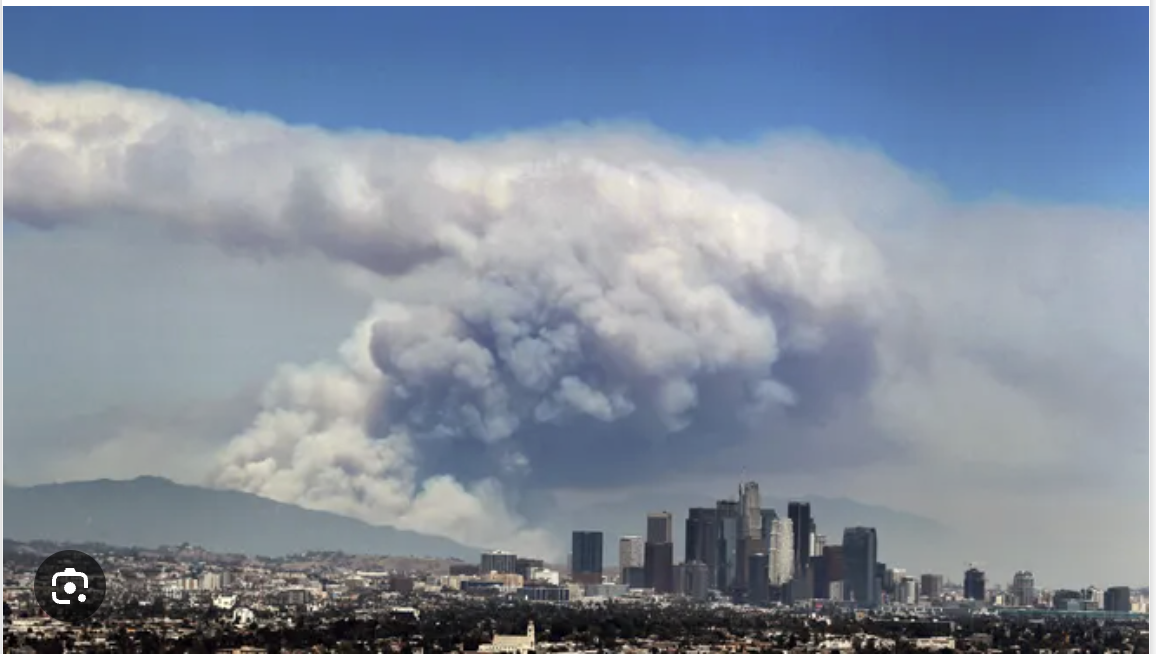
If you've lost your home, business, or loved one in a California wildfire, one of your most pressing questions is likely: How long will it take to get compensation? Understanding the wildfire lawsuit timeline helps you plan for the future and set realistic expectations for your recovery.
This guide walks you through every stage of the California wildfire litigation process, from initial filing to final settlement or verdict.
Overview: How Long Do Wildfire Lawsuits Take?
California wildfire lawsuits typically take 2 to 5 years from filing to resolution. However, several factors can shorten or extend this timeline:
- Complexity of liability: Cases with clear utility company liability may resolve faster
- Number of plaintiffs: Mass litigation with thousands of claimants takes longer to process
- Defendant's resources: Well-funded defendants can prolong litigation
- Settlement willingness: Cases where parties negotiate in good faith resolve faster
- Court backlog: California courts are often congested, causing delays
While this may seem like a long time, experienced wildfire attorneys work to secure interim relief and partial settlements to help clients during the process.
Stage 1: Pre-Filing (Months 1-6)
Before a wildfire lawsuit can be filed, several critical steps must be completed:
Fire Cause Investigation
CAL FIRE and other agencies investigate what caused the wildfire. This investigation can take months to over a year. While you can file a lawsuit before the official cause determination, knowing the cause helps identify the right defendants and strengthens your case.
Government Claim Filing (If Required)
If your lawsuit involves government entities (City of LA, LA County, LADWP, etc.), you must file a government tort claim before suing. Critical deadlines:
- 6 months: For personal injury and personal property damage
- 1 year: For real property damage
Missing these deadlines can permanently bar your claims against government defendants.
Case Evaluation and Documentation
Your attorney will gather evidence, document your losses, and evaluate your case. This includes:
- Photographs and videos of damage
- Property records and appraisals
- Contents inventory
- Medical records (if applicable)
- Insurance policy review
- Expert consultations
Stage 2: Complaint Filing and Early Proceedings (Months 6-12)
Filing the Lawsuit
Your attorney files a complaint in California Superior Court identifying the defendants and your claims. For major wildfires with many victims, cases are often coordinated before a single judge for efficiency.
Service of Process
Defendants must be formally notified of the lawsuit. Large corporations like SCE or PG&E have legal teams ready to respond quickly.
Initial Responses
Defendants file answers to the complaint, typically denying liability and raising defenses. They may also file motions to dismiss certain claims.
Case Management Conference
The court holds an initial conference to establish the case schedule, discovery deadlines, and trial date.
Stage 3: Discovery (Months 12-30)
Discovery is often the longest phase of wildfire litigation. Both sides exchange evidence and information:
Written Discovery
- Interrogatories: Written questions that must be answered under oath
- Requests for Production: Demands for documents, records, and physical evidence
- Requests for Admission: Statements the other side must admit or deny
Depositions
Attorneys conduct in-person questioning of witnesses, including:
- Utility company employees and executives
- Fire investigators
- Government officials
- Expert witnesses
- Property owners (plaintiffs)
Expert Discovery
Both sides retain experts in areas like fire investigation, electrical engineering, property valuation, and medical damages. Experts prepare reports and may be deposed.
Document Review
In large wildfire cases, discovery can produce millions of documents that attorneys must review. This includes utility maintenance records, inspection reports, internal communications, and more.
Stage 4: Motions Practice (Months 24-36)
As discovery winds down, parties file various motions:
Summary Judgment Motions
Defendants often move for summary judgment, asking the court to dismiss claims without trial. Plaintiffs may also seek summary adjudication on liability issues. These motions can significantly impact case strategy and settlement leverage.
Motions in Limine
Before trial, parties file motions to exclude certain evidence or limit testimony.
Stage 5: Settlement Negotiations (Ongoing)
Settlement discussions typically occur throughout the litigation process:
Early Settlement
Some defendants settle early, especially when liability is clear. Early settlements may offer faster payment but potentially less money.
Mediation
Courts often require mediation—a structured negotiation with a neutral mediator. Many wildfire cases settle at mediation.
Settlement Conferences
Judges hold conferences to encourage settlement and evaluate case progress.
Mass Settlement Programs
In large wildfire cases (like PG&E's Camp Fire settlements), defendants may establish settlement programs with standardized processes for evaluating and paying claims.
Stage 6: Trial (If No Settlement)
If your case doesn't settle, it proceeds to trial:
Bellwether Trials
In coordinated proceedings with thousands of plaintiffs, courts often select representative "bellwether" cases for trial. These trial outcomes help both sides evaluate the strength of claims and can drive global settlements.
Individual Trial
Your case may go to trial individually. Trials typically last several weeks and result in a jury verdict.
Post-Trial Motions and Appeals
After a verdict, losing parties may file post-trial motions or appeals, which can add months or years to the timeline.
Stage 7: Settlement Distribution (Final Stage)
Once a settlement is reached or verdict obtained:
Settlement Approval
Class settlements require court approval. Individual settlements proceed once the agreement is signed.
Claims Processing
Settlement administrators process claims, verify documentation, and calculate individual payments.
Distribution
Funds are distributed to claimants. Attorney fees and costs are deducted per your fee agreement.
Critical Deadlines You Cannot Miss
California law imposes strict deadlines that can permanently bar your claims:
| Claim Type | Deadline |
|---|---|
| Government claim (personal injury/property) | 6 months from date of damage |
| Government claim (real property) | 1 year from date of damage |
| Personal injury lawsuit | 2 years from date of injury |
| Property damage lawsuit | 3 years from date of damage |
| Wrongful death lawsuit | 2 years from date of death |
What Can You Do While Your Lawsuit is Pending?
Wildfire litigation takes time, but you don't have to wait years with nothing:
File Your Insurance Claim
Your insurance claim proceeds independently of any lawsuit. Get your insurance payout as quickly as possible.
Apply for FEMA Assistance
Federal disaster assistance can provide immediate financial relief and doesn't affect your lawsuit.
Seek Interim Distributions
In some mass litigation, courts approve interim payment programs to help plaintiffs before final settlement.
Document Ongoing Losses
Keep records of all expenses, losses, and impacts related to the fire. This documentation supports your claim.
Contact a California Wildfire Attorney Today
Understanding the wildfire lawsuit timeline helps you plan for the future—but the most important step is getting started. Every day that passes is a day closer to critical deadlines.
At Fire Claims Lawyer, we've guided thousands of California wildfire victims through the litigation process. We handle your case on a contingency fee basis, meaning you pay nothing unless we win.
Contact us today for a free consultation and take the first step toward recovery.
