Underinsured After a California Wildfire? How to Recover the Gap in Your Coverage
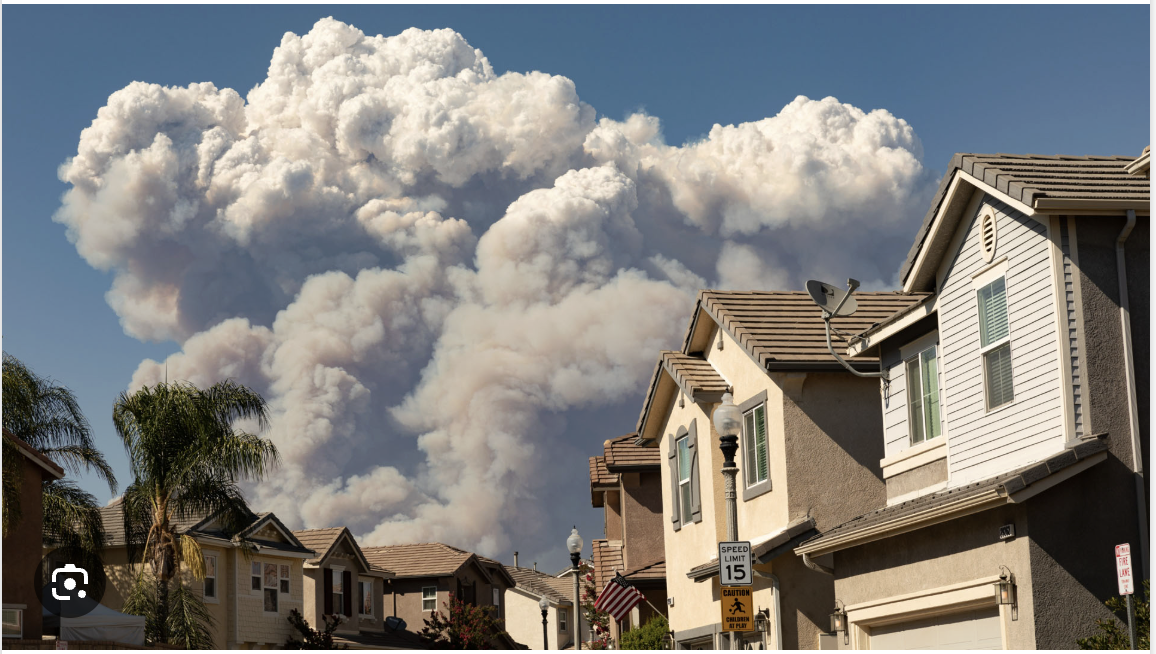
You paid your homeowner's insurance premiums for years. You assumed that if disaster ever struck, you'd be covered. Now, after losing your home to the Eaton Fire, Palisades Fire, or another California wildfire, you've received your insurance payout—and it's nowhere near enough to rebuild.
You're not alone. Thousands of California wildfire victims are discovering a devastating reality: they are significantly underinsured. Construction costs have skyrocketed, but policy limits haven't kept pace. The result? A gap of hundreds of thousands of dollars between what insurance pays and what it actually costs to rebuild.
The good news: if a utility company or other negligent party caused the fire, you can sue to recover the difference. Here's what you need to know.
Why Are So Many California Homeowners Underinsured?
Being underinsured isn't your fault. Several factors have created a perfect storm of inadequate coverage:
Skyrocketing Construction Costs
Construction costs in California have increased dramatically over the past decade. Labor shortages, supply chain disruptions, and inflation have driven rebuilding costs far higher than most policy limits. A home that cost $500,000 to build 10 years ago might now cost $900,000 or more to rebuild.
Building Code Upgrades
When you rebuild, you must comply with current building codes—which are significantly more stringent (and expensive) than when your home was originally built. Fire-resistant materials, updated electrical systems, seismic retrofitting, and energy efficiency requirements all add costs that your policy may not cover.
Policy Limits Haven't Kept Up
Many homeowners haven't updated their coverage in years. Even with annual adjustments, policy limits often don't reflect actual replacement costs—especially in high-value areas like Pacific Palisades, Altadena, and Malibu.
Insurance Company Estimates Were Wrong
Many homeowners relied on their insurance company's estimates of replacement cost. These estimates are often based on generic formulas that don't account for custom features, quality of construction, or local labor costs.
Understanding Your Coverage Gap
The coverage gap is the difference between what your insurance pays and what it actually costs to rebuild your home and replace your belongings. For many LA fire victims, this gap is enormous:
Example:
- Actual cost to rebuild home: $1,500,000
- Insurance policy dwelling limit: $900,000
- Coverage gap: $600,000
This gap doesn't even include personal property, landscaping, and other losses that may also exceed your policy limits.
What Your Homeowner's Insurance Should Cover
Before assuming you're underinsured, make sure you understand all the coverage available under your policy:
- Dwelling Coverage (Coverage A): Pays to repair or rebuild your home structure
- Other Structures (Coverage B): Covers detached garages, sheds, fences, guest houses
- Personal Property (Coverage C): Covers furniture, electronics, clothing, and belongings
- Additional Living Expenses (Coverage D): Pays for temporary housing while your home is rebuilt
- Extended Replacement Cost: Some policies pay 125% or 150% of dwelling limit
Important: Review your policy carefully or have an attorney review it. Many policyholders don't realize they have extended replacement cost coverage or other benefits that could increase their payout.
How to Recover Your Coverage Gap Through a Lawsuit
If a utility company (like SCE or LADWP) or other negligent party caused the fire, you can sue to recover everything your insurance doesn't cover—including the full gap between your policy limits and actual rebuilding costs.
A lawsuit can recover:
- The difference between insurance payout and actual rebuilding cost
- Personal property exceeding your Coverage C limits
- Landscaping and trees (often barely covered by insurance)
- Emotional distress (never covered by insurance)
- Lost income and wages
- Additional living expenses exceeding your policy limit
How Wildfire Lawsuits Work With Insurance
Many homeowners worry that filing a lawsuit will somehow conflict with their insurance claim. It doesn't. Here's how they work together:
Step 1: File your insurance claim and receive your insurance payout (even if it's not enough)
Step 2: File a lawsuit against the responsible party (SCE, LADWP, etc.) for all your damages
Step 3: Your lawsuit recovers the DIFFERENCE between your insurance payout and your total losses
Important note on subrogation: Your insurance company will likely file its own claim against the responsible party to recover what it paid you. This is called subrogation. Your personal lawsuit is separate and recovers the additional damages beyond what insurance paid.
What If I Only Have FAIR Plan Coverage?
Many California homeowners in fire-prone areas have been forced into the California FAIR Plan—the state's "insurer of last resort." FAIR Plan policies typically have:
- Lower coverage limits
- More exclusions
- Dwelling-only coverage (no personal property or liability)
If your FAIR Plan coverage is inadequate, filing a lawsuit against the responsible party becomes even more critical. It may be your only way to recover your full losses.
Don't Wait to Take Action
Time is critical for wildfire victims:
- Government claims: Must be filed within 6 months to 1 year (depending on type)
- Lawsuit deadlines: Statutes of limitations apply
- Evidence preservation: Critical evidence can be lost or destroyed over time
Close Your Coverage Gap—Contact a Fire Claims Attorney
Being underinsured doesn't mean you have to absorb hundreds of thousands of dollars in losses. If SCE, LADWP, or another negligent party caused the fire that destroyed your home, they should pay for what insurance doesn't cover.
At Fire Claims Lawyer, we fight to recover the full value of your losses—not just what insurance pays. We understand the devastating reality of being underinsured, and we're committed to closing that gap for our clients.
Free consultation. No fee unless we win.