Smoke Damage Claims in California: Your Complete Guide to Wildfire Smoke Compensation
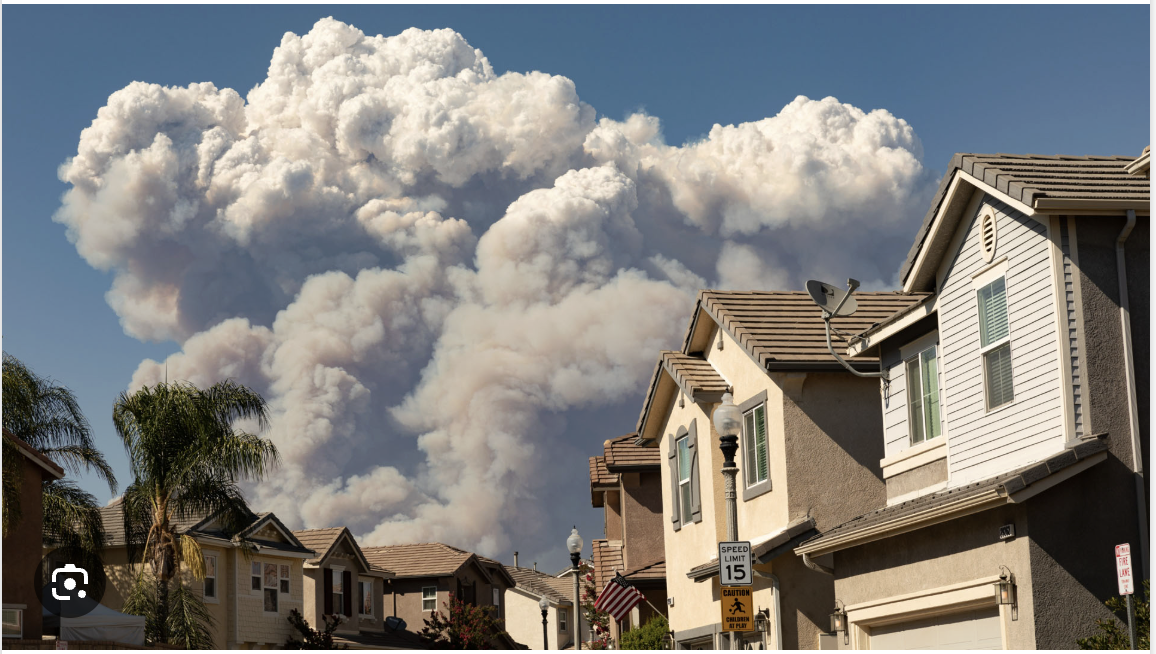
When wildfires rage across California, the damage extends far beyond the burn zone. Thick wildfire smoke can travel hundreds of miles, infiltrating homes and businesses that never see flames. This smoke leaves behind soot, ash, and persistent odors that can cause significant property damage and health problems.
If your property has suffered smoke damage from a California wildfire, you may be entitled to compensation through insurance claims and lawsuits against responsible parties. This guide explains everything you need to know about filing a smoke damage claim in California.
Understanding Wildfire Smoke Damage
Wildfire smoke is far more destructive than many people realize. Unlike clean wood smoke, wildfire smoke contains toxic particles from burned structures, vehicles, plastics, chemicals, and vegetation. This creates a complex mixture of harmful substances that can penetrate your home and cause lasting damage.
Types of Smoke Damage
- Visible soot and ash: Black or gray residue that settles on surfaces, inside HVAC systems, and in hidden spaces
- Surface discoloration: Yellowing or darkening of walls, ceilings, fabrics, and other surfaces
- Persistent odor: Smoke smell that penetrates porous materials and is extremely difficult to remove
- Corrosion: Acidic particles in smoke can corrode metals, electronics, and appliances
- HVAC contamination: Smoke particles infiltrate ductwork and heating/cooling systems
- Fabric and upholstery damage: Smoke permanently damages clothing, furniture, curtains, and carpets
Health Impacts of Smoke Exposure
Wildfire smoke exposure can cause serious health problems, including:
- Respiratory issues (coughing, difficulty breathing, asthma attacks)
- Eye, nose, and throat irritation
- Headaches and dizziness
- Cardiovascular effects
- Aggravation of existing conditions
- Long-term respiratory damage from prolonged exposure
Medical expenses from smoke-related health problems may also be recoverable in a lawsuit against the party responsible for causing the wildfire.
Does Insurance Cover Smoke Damage?
The good news: Most homeowners insurance policies cover smoke damage, even if your home wasn't directly touched by flames. Smoke damage is typically covered under the "fire" peril in standard policies.
However, insurance companies often dispute smoke damage claims or undervalue them significantly. Common issues include:
- Denial of claims: Insurers may claim smoke damage is excluded or not covered
- Lowball estimates: Insurance adjusters often underestimate the true cost of smoke remediation
- Inadequate cleaning allowance: Insurers may approve superficial cleaning when full replacement is needed
- Odor disputes: Companies may deny claims related to persistent smoke odor
- Contents undervaluation: Personal property claims are frequently underpaid
What Your Insurance Should Cover
A comprehensive smoke damage claim should include:
- Professional cleaning: Deep cleaning of all surfaces, contents, and HVAC systems
- Odor removal: Professional deodorization, including ozone treatment if necessary
- Damaged contents: Replacement of items that cannot be adequately cleaned
- Structural repairs: Repainting, drywall replacement, and other repairs
- HVAC cleaning/replacement: Professional ductwork cleaning or system replacement
- Additional living expenses: If smoke makes your home uninhabitable during remediation
Filing a Smoke Damage Insurance Claim: Step by Step
1. Document Everything Immediately
Before cleaning anything, thoroughly document all smoke damage with photographs and videos. Include:
- Wide shots showing overall conditions
- Close-ups of soot, ash, and discoloration
- Photos of damaged contents
- Evidence of smoke infiltration (dirty HVAC filters, etc.)
- Dated photographs showing progression
2. Notify Your Insurance Company
Report the smoke damage to your insurer promptly. Document all communications in writing and keep copies of everything.
3. Get Professional Assessments
Don't rely solely on the insurance company's adjuster. Get independent estimates from:
- Certified smoke damage restoration companies
- HVAC professionals
- Industrial hygienists (for air quality testing)
4. Create a Detailed Contents Inventory
List all personal property affected by smoke, including clothing, furniture, electronics, and household items. Note the age, condition, and replacement cost of each item.
5. Don't Accept Inadequate Settlements
Insurance companies routinely offer lowball settlements for smoke damage. If their offer doesn't cover your actual losses, you have the right to dispute it.
Filing a Smoke Damage Lawsuit
Beyond your insurance claim, you may be able to sue the party responsible for causing the wildfire that produced the smoke. This can recover damages your insurance doesn't cover and hold negligent parties accountable.
Who Can Be Held Liable for Smoke Damage?
Utility companies: If electrical equipment caused the fire, the utility company may be strictly liable for all resulting damages, including smoke damage to properties miles from the burn zone.
Government entities: Government agencies may be liable if their negligence contributed to the fire's spread or intensity.
Private parties: Individuals or businesses whose negligence caused the fire can be held responsible for smoke damage.
Recoverable Damages in a Smoke Damage Lawsuit
- Property damage and restoration costs beyond insurance coverage
- Personal property loss and replacement
- Loss of use of your property during remediation
- Medical expenses for smoke-related health problems
- Lost wages if you couldn't work due to smoke exposure
- Emotional distress from the smoke damage experience
- Diminished property value
Important Deadlines for Smoke Damage Claims
Don't delay in pursuing your smoke damage claim. Critical deadlines include:
- Insurance claims: Per your policy terms (typically 1 year from date of loss)
- Government tort claims: 6 months from date of damage
- Property damage lawsuits: 3 years from date of damage
- Personal injury claims: 2 years from date of injury
Why You Need a Smoke Damage Attorney
Smoke damage claims present unique challenges that require experienced legal representation:
- Insurance disputes: We fight insurers who deny or undervalue smoke damage claims
- Damage documentation: We work with experts to fully document your losses
- Causation proof: We connect your smoke damage to the responsible party
- Multiple claim coordination: We handle insurance, lawsuit, and government claims simultaneously
- Maximum recovery: We ensure you receive full compensation for all your losses
Contact a California Smoke Damage Attorney Today
If your property has suffered smoke damage from a California wildfire, don't let insurance companies minimize your losses. At Fire Claims Lawyer, we've helped countless smoke damage victims recover full compensation for property damage, health impacts, and other losses.
Contact us today for a free consultation. We handle smoke damage cases on a contingency fee basis—you pay nothing unless we win.
