Flood Damage Claims in California: Your Complete Guide to Post-Wildfire Flooding Recovery
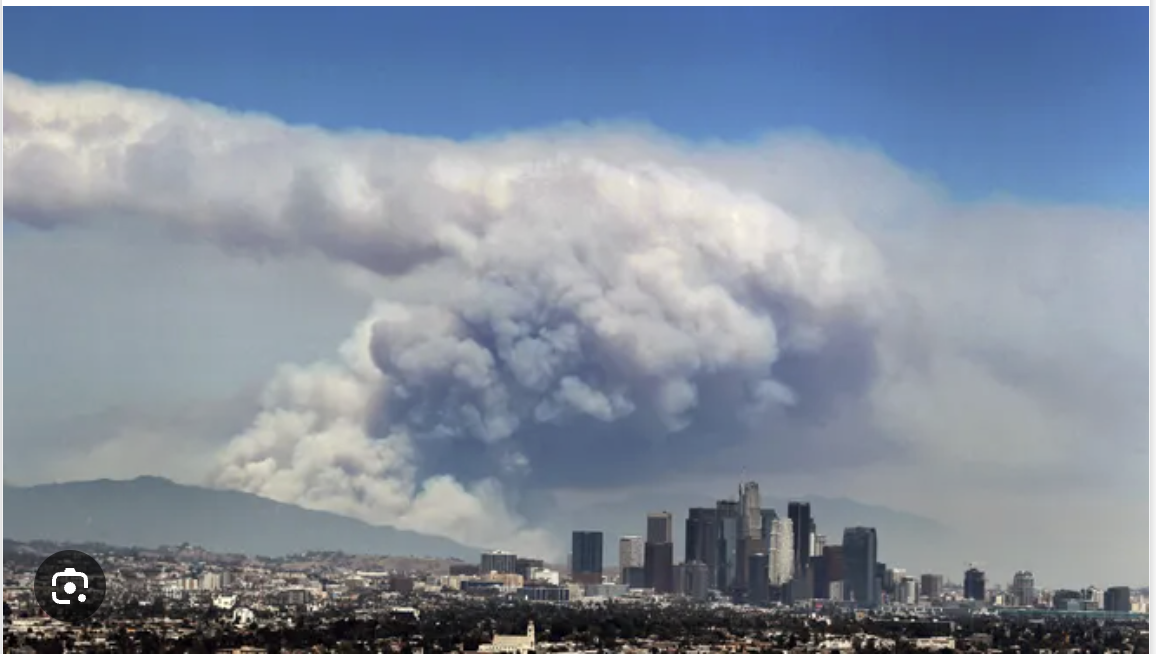
After a wildfire devastates California's hillsides, the danger doesn't end when the flames are extinguished. Burned landscapes become extremely vulnerable to flooding, mudslides, and debris flows—sometimes for years after the fire. If you've suffered flood damage following a California wildfire, understanding your legal rights and claim options is critical to recovering the compensation you deserve.
At Fire Claims Lawyer, we help California flood victims navigate the complex intersection of fire damage, flood insurance, and liability claims. This guide explains everything you need to know about filing a flood damage claim in California after a wildfire.
Why California Wildfires Lead to Catastrophic Flooding
When wildfires burn through hillsides and canyons, they don't just destroy vegetation—they fundamentally change how the land absorbs water. The intense heat creates a water-repellent layer in the soil called hydrophobic soil, which prevents rainfall from soaking into the ground.
The result: Rain that would normally be absorbed instead flows rapidly across the surface, picking up ash, debris, rocks, and sediment. What starts as rainfall can quickly become a deadly debris flow capable of destroying homes, cars, and infrastructure far from the original burn area.
Post-Fire Flood Risk Factors
- Burn severity: More severe burns create greater hydrophobic conditions
- Slope steepness: Steeper hillsides produce faster, more powerful flows
- Rainfall intensity: Even moderate rain can trigger debris flows on burned slopes
- Proximity to burn area: Properties below or downstream from burn scars face highest risk
- Time since fire: Risk remains elevated for 2-5 years post-fire
The devastating 2018 Montecito debris flows, which killed 23 people following the Thomas Fire, demonstrated the catastrophic potential of post-fire flooding. Properties miles from the burn area were destroyed by walls of mud, boulders, and debris.
Types of Flood Damage After California Wildfires
Post-wildfire flood damage takes several forms, each presenting unique challenges for property owners:
1. Debris Flows and Mudslides
Fast-moving mixtures of water, mud, rocks, and debris that can reach speeds of 35+ mph. Debris flows carry enormous destructive force and can bury structures, vehicles, and entire properties under feet of sediment.
2. Flash Flooding
Rapid flooding caused by water running off burned hillsides. Flash floods can inundate homes, destroy landscaping, and undermine foundations without warning.
3. Sediment Accumulation
Even without dramatic flooding events, properties below burn areas often experience ongoing sediment deposits. Over time, this can block drainage, damage landscapes, and compromise property values.
4. Erosion Damage
Post-fire conditions accelerate erosion, which can undermine slopes, retaining walls, driveways, and building foundations.
Does Homeowners Insurance Cover Post-Fire Flood Damage?
Critical fact: Standard homeowners insurance policies do NOT cover flood damage—including post-wildfire flooding. This surprises many California homeowners who assume their comprehensive policy protects them.
There are limited exceptions:
- Mudslide coverage: Some policies cover "mudflow" that results directly from a covered peril (like a wildfire that started on your property). However, this coverage is limited and often contested by insurers.
- Sudden water damage: If a flood causes a pipe to burst or creates other sudden water damage, that secondary damage may be covered.
- Additional living expenses: If you're displaced due to flood damage, your policy may cover temporary housing—but only if the underlying damage would be covered.
National Flood Insurance Program (NFIP)
Properties in designated flood zones are eligible for NFIP coverage through FEMA. However, many properties damaged by post-fire flooding are NOT in traditional flood zones, meaning owners never purchased flood insurance.
If you do have NFIP coverage, be aware of policy limits:
- Building coverage: Up to $250,000 for residential properties
- Contents coverage: Up to $100,000
- No coverage for landscaping, outdoor property, or additional living expenses
Filing a Flood Damage Lawsuit: Who Can Be Held Liable?
When insurance doesn't cover your flood losses—or doesn't cover them fully—a lawsuit may be your best path to recovery. Depending on the circumstances, several parties may be liable for post-fire flood damage:
1. Utility Companies (If They Caused the Fire)
If the original wildfire was caused by utility company negligence (like Southern California Edison or PG&E), that company may also be liable for subsequent flood damage. Under California law, the chain of causation can extend from the fire to foreseeable flooding events.
2. Government Entities
Government agencies responsible for flood control, drainage systems, or burn area emergency response (BAER) may be liable if their negligence contributed to flood damage. This includes:
- Failure to clear debris basins before storms
- Inadequate flood control infrastructure
- Failure to issue timely evacuation warnings
- Negligent emergency response
Important: Suing government entities in California requires filing a government tort claim within 6 months of the damage. Missing this deadline can bar your lawsuit entirely.
3. Property Developers and Contractors
If poor grading, inadequate drainage, or other construction defects contributed to flood damage on your property, the developer or contractor may be liable.
4. Upstream Property Owners
In some cases, property owners who altered drainage patterns or failed to maintain their land may share liability for downstream flooding.
What Compensation Can You Recover for Flood Damage?
A successful flood damage claim can recover compensation for:
- Structural damage: Repair or replacement costs for your home, garage, and other structures
- Personal property: Furniture, appliances, electronics, clothing, and other belongings destroyed by flooding
- Landscaping: Trees, plants, hardscaping, and outdoor improvements
- Vehicles: Cars, motorcycles, boats, and other vehicles damaged in floods
- Additional living expenses: Hotel costs, rental housing, meals while displaced
- Lost rental income: If you rent out property that became uninhabitable
- Property value diminution: If your property has permanently lost value due to increased flood risk
- Emotional distress: Anxiety, depression, and trauma from the flood experience
- Medical expenses: Treatment for injuries sustained during flooding
Steps to Take After Post-Fire Flood Damage
If your property has been damaged by flooding after a California wildfire, take these steps to protect your legal rights:
1. Document Everything
Photograph and video all damage before cleanup begins. Include wide shots of the overall scene and close-ups of specific damage. Document the high-water mark if visible.
2. Don't Dispose of Damaged Property
Keep damaged items until your insurance company and attorney have documented them. If you must remove debris for safety, photograph everything first.
3. Report the Damage
File claims with all potentially applicable insurance policies (homeowners, flood, auto). Also report damage to local emergency management for FEMA disaster assistance eligibility.
4. Apply for FEMA Assistance
Even if you're filing insurance claims or considering a lawsuit, apply for FEMA disaster assistance. This doesn't affect your other claims and may provide immediate relief.
5. Consult a Flood Damage Attorney
An experienced California flood damage lawyer can evaluate your situation, identify all potentially liable parties, and determine the best strategy for maximizing your recovery.
Time Limits for Flood Damage Claims
California imposes strict deadlines for flood damage claims:
- Government claims: 6 months from the date of damage
- Insurance claims: Per your policy terms (typically 1 year)
- Personal injury lawsuits: 2 years from date of injury
- Property damage lawsuits: 3 years from date of damage
Because post-fire flooding often involves multiple potential defendants and claim types, consulting an attorney early is essential to preserve all your options.
Contact a California Flood Damage Attorney Today
If you've suffered flood damage following a California wildfire, you need experienced legal representation to navigate insurance disputes and identify all potentially responsible parties. At Fire Claims Lawyer, we've helped countless California flood victims recover full compensation for their losses.
Contact us today for a free consultation. We handle flood damage cases on a contingency fee basis—you pay nothing unless we win your case.
