Fire Insurance Claim Denied? What California Wildfire Victims Need to Do Next
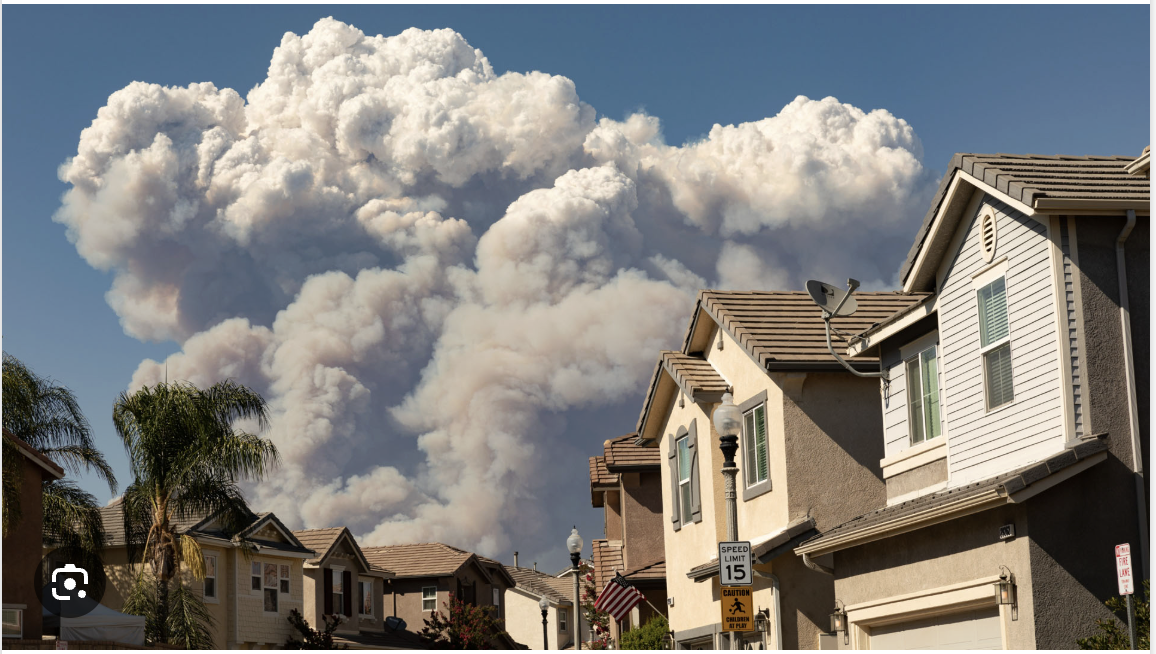
You've paid your homeowner's insurance premiums for years. You trusted that when disaster struck, your insurance company would be there to help you rebuild. Now, after losing everything in a California wildfire, you've received the devastating news: your fire insurance claim has been denied.
You're not alone. Following the 2025 LA fires, thousands of Eaton Fire and Palisades Fire victims are discovering that insurance companies are denying claims, delaying payments, and offering settlements far below what policyholders deserve. This is not acceptable—and you have legal options.
If your fire insurance claim was denied or you believe your insurance company is acting in bad faith, a California fire insurance attorney can help you fight back and get the compensation you're owed.
Common Reasons Insurance Companies Deny Fire Damage Claims
Insurance companies are in the business of making money—not paying claims. After major wildfires, insurers face billions of dollars in potential payouts. To protect their bottom line, they look for any reason to deny, delay, or reduce your claim.
Here are the most common reasons insurance companies cite when denying fire damage claims:
"Policy Exclusions"
Insurance companies may claim your policy excludes certain types of damage or that the wildfire falls under a policy exclusion. However, many of these exclusions are applied incorrectly or are buried in confusing policy language that was never properly explained to you.
"Failure to Pay Premiums"
Some insurers attempt to deny claims by alleging the policyholder missed premium payments. If you have evidence of consistent payments, this denial reason can often be successfully challenged.
"Misrepresentation on Application"
Insurance companies engage in a practice called "post-claim underwriting"—going back through your original application after you file a claim to look for any alleged errors or omissions. Even minor, innocent mistakes can be used as grounds to deny your entire claim or rescind (cancel) your policy retroactively.
"Failure to Mitigate Damages"
Insurers may argue that you failed to take reasonable steps to prevent additional damage after the fire. This is often an unreasonable standard, especially during mandatory evacuations when homeowners cannot access their property.
"Insufficient Documentation"
Insurance companies frequently claim that policyholders haven't provided enough documentation to support their claim. This is often a delay tactic—they request documents piecemeal, ask for the same information multiple times, or set unrealistic deadlines.
What Is Insurance Bad Faith? Signs Your Insurer Is Acting Unfairly
Under California law, insurance companies owe their policyholders a duty of "good faith and fair dealing." This means they must treat your claim fairly, investigate it thoroughly, and pay valid claims promptly. When an insurer fails to meet this duty, it's called insurance bad faith—and you may be entitled to significant additional damages.
Warning signs that your insurance company may be acting in bad faith:
- Unreasonable delays: Your insurer takes weeks or months to respond to communications, send an adjuster, or process your claim
- Lowball offers: The settlement amount is far below what it will actually cost to repair or replace your property
- Denial without explanation: Your claim is denied without a clear, written explanation of the specific policy provisions that justify the denial
- Misrepresenting policy language: The insurance company interprets your policy in an unreasonable or misleading way
- Failure to investigate: Your insurer denies your claim without conducting a proper investigation
- Unreasonable document requests: The company asks for excessive documentation or repeatedly requests the same information
- Threatening or intimidating conduct: Adjusters use pressure tactics to get you to accept a lower settlement
- Policy cancellation after a claim: Your insurer cancels or refuses to renew your policy immediately after you file a claim
What Damages Can You Recover in a Bad Faith Insurance Lawsuit?
If your insurance company has acted in bad faith, you may be entitled to recover significantly more than just your policy benefits. Under California law, bad faith damages can include:
- Full Policy Benefits: The complete amount your insurer should have paid under your policy
- Consequential Damages: Additional financial losses caused by the insurer's failure to pay, such as increased repair costs, lost rental income, or missed business opportunities
- Emotional Distress: Compensation for anxiety, depression, and mental anguish caused by the insurer's conduct
- Attorney's Fees: The cost of hiring a lawyer to fight for your benefits (called "Brandt fees" in California)
- Punitive Damages: If the insurer's conduct was particularly egregious, the court may award punitive damages to punish the company and deter future misconduct
What to Do If Your Fire Insurance Claim Was Denied
If your fire insurance claim has been denied or you're being treated unfairly, take these steps immediately:
1. Get the Denial in Writing
Request a written denial letter that explains exactly why your claim was denied and cites the specific policy provisions the insurer is relying on. California law requires insurance companies to provide this explanation.
2. Document Everything
Save all correspondence with your insurance company, including emails, letters, and notes from phone calls (including dates, times, and the names of representatives you spoke with). This documentation will be critical if you pursue legal action.
3. Review Your Policy Carefully
Read your insurance policy to understand what is actually covered. Insurance companies often misinterpret or misrepresent policy language. An experienced fire insurance attorney can help you understand your coverage and identify whether the denial is legitimate.
4. Don't Accept a Lowball Settlement
Insurance companies often make initial offers that are far below what your claim is worth, hoping you'll accept out of desperation. Before accepting any settlement, consult with a fire insurance lawyer to ensure you're getting fair compensation.
5. Contact a Fire Insurance Attorney
Time is critical in insurance disputes. California has a two-year statute of limitations for bad faith insurance claims. The sooner you contact an attorney, the better your chances of recovering what you're owed.
State Farm and Other Insurers Canceling Fire Coverage Before the LA Fires
In a troubling development, many California homeowners have reported that insurance companies—including State Farm—canceled their fire coverage in the months leading up to the 2025 LA fires. If your policy was canceled shortly before the fire and you were left uninsured or underinsured, you may have grounds for a bad faith lawsuit.
Additionally, if you were forced into the California FAIR Plan (the state's "last resort" insurance pool) and found your coverage inadequate, you should speak with an attorney about your legal options.
Contact a California Fire Insurance Attorney Today
Insurance companies have teams of lawyers and adjusters working to minimize what they pay you. You deserve someone fighting just as hard on your side.
At Fire Claims Lawyer, we hold insurance companies accountable. If your fire insurance claim was denied, delayed, or underpaid, we can help you fight back. Our experienced bad faith insurance attorneys have successfully recovered millions of dollars for California wildfire victims.
Free consultation. No fee unless we win.
Don't let your insurance company get away with denying your rightful claim. Contact us today.